Home / Removing Old Countertops
What Removing Old Countertops Involves
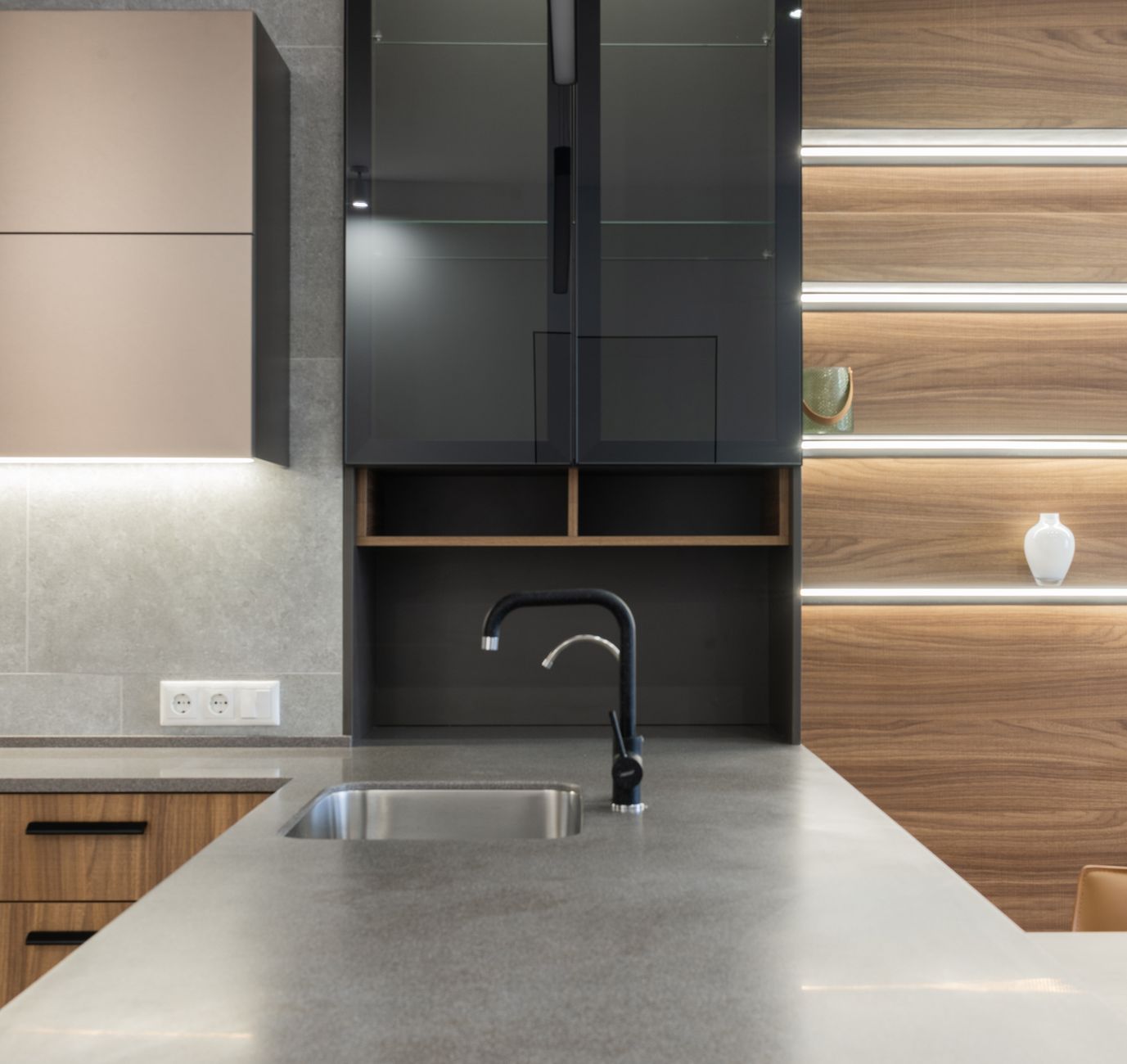
The Preliminary Phase of Countertop Replacement
Before a new slab of granite, quartz, or porcelain can be placed into a kitchen, the existing surfaces must be removed. This stage of a renovation is often underestimated by homeowners. While it might seem like a simple matter of lifting a heavy piece of stone, the process involves several technical steps that require care to prevent damage to the surrounding structure. A successful removal is not just about getting the old material out, but about preparing the site so that the new installation can proceed without complications.
The first major task involves the disconnection of essential utilities. Most kitchen countertops house critical components such as sinks, faucets, and dishwashers. Because these items are integrated into the countertop, they cannot be moved until the surface is cleared. Plumbing lines must be carefully disconnected and capped to prevent leaks or water damage during the demolition process. If a cooktop is being replaced along with the counters, gas lines or electrical connections must also be safely shut off and secured. This step requires precision, as rushing through the disconnection of appliances can lead to broken lines or damaged electrical components.
Removal is often left out of the plan, but it sits right at the start of the process described on custom countertops riverside digest.
Once the plumbing and appliances are addressed, the focus shifts to the physical removal of the material. This is a heavy, labor intensive task. Depending on the material, the weight can be significant, meaning that the removal must be done with strategic leverage to avoid dropping or shifting the material in a way that causes injury or property damage.
Protecting the Existing Cabinetry
One of the most critical aspects of removing old countertops is the protection of the cabinets underneath. In many homes, the cabinets serve as the foundation for the countertop, and they are often the most expensive part of the kitchen cabinetry. During the removal of heavy stone or thick laminate, there is a high risk of the weight shifting or the tools used for demolition striking the cabinet faces or frames.
Experienced installers use various methods to shield the cabinetry. This might include using heavy duty protective coverings or specialized bracing to ensure the cabinet boxes do not bow or pull away from the wall under the stress of the removal. This is especially important in older homes where the cabinet construction might be less rigid than modern modular units. If the cabinets are being reused with a new stone surface, they must be inspected for stability after the old countertop is lifted. Any sagging or misalignment caused by the weight of the previous material must be corrected before the new slab is measured or installed.
The goal of this protection is to ensure that the transition from the old surface to the new one is seamless. If the cabinets are damaged during the removal process, it can lead to issues with the leveling of the new countertop, potentially causing the new stone to sit unevenly or creating gaps at the backsplash area.
Navigating Older Construction and Mortar Beds
The type of home being renovated often dictates the complexity of the removal. In areas like the Wood Streets or near downtown Riverside, where early twentieth century Craftsman and Victorian homes are common, the construction methods used for counters may differ significantly from modern standards. Homeowners in these historic districts might find that their previous renovations utilized tile countertops set on thick mortar beds.
Removing tile countertops is a much more involved process than removing a single slab of stone. Unlike a solid piece of granite that can be lifted out, tile is often bonded to a substrate using a heavy layer of mortar or thinset. This mortar bed can be quite thick and may be adhered directly to the top of the cabinets or a plywood subtop. Removing this requires breaking the tile into smaller pieces to manage the weight and debris. It is a dusty and repetitive process that involves chipping away at the hardened mortar.
When tile is removed from a mortar bed, it is common to find that the underlying surface is not perfectly level. The removal of the mortar can leave behind a rough, uneven surface that must be scraped clean and smoothed over before a new countertop can be installed. If the mortar was adhered directly to the cabinet tops, extra care must be taken to ensure that the removal process does not pull the cabinet frames out of alignment or damage the wood finish.
The Reality of Hidden Surprises
Demolition is the stage where the hidden realities of a kitchen are revealed. It is very common for homeowners to discover issues that were previously covered by the old countertop. These surprises can range from minor cosmetic issues to significant structural concerns that must be addressed before the new material arrives.
One frequent discovery is water damage. If a sink has had slow leaks over the years, the moisture may have seeped under the old countertop and into the cabinet base or the subtop. This can lead to swollen particleboard, rotted wood, or even mold growth. Similarly, if laminate countertops were previously installed, the removal might reveal that water has entered the seams, causing the particleboard core to swell and expand, which can deform the cabinet structure.
Other surprises include uneven walls or floor levels. A countertop might have been installed to hide a wall that is not perfectly plumb or a floor that is slightly sloped. Once the old surface is gone, the true geometry of the room becomes apparent. Additionally, electrical wiring or plumbing pipes that were tucked neatly behind a backsplash might be found to be in need of relocation or repair. These discoveries are why it is important to allow for a buffer in a renovation schedule, as these unexpected repairs can change the scope of the project.
Managing Disposal and Debris
The final stage of removal is the management and disposal of the old material. The weight and volume of the debris can be substantial. A single large slab of natural stone or a long run of heavy tile can weigh hundreds of pounds, making it impossible to dispose of through standard residential trash services.
The method of disposal depends heavily on the material being removed. Natural stone like granite or quartzite is extremely heavy and dense. It cannot be broken down easily without specialized tools, and it must be hauled away in a way that ensures safety. Engineered quartz, while easier to break into manageable pieces than solid granite, still presents a significant weight challenge. Laminate and solid surface materials are lighter but can be bulky and awkward to transport.
Proper disposal also involves managing the fine dust and small fragments generated during the process. When breaking up tile or chipping away mortar, small shards and dust can travel quickly. In the Inland Empire, where seasonal Santa Ana winds can already bring dry and dusty air, managing indoor dust becomes an even higher priority to prevent it from settling into other parts of the home. A professional removal process includes a plan for containing this debris and ensuring that all old materials are removed from the site entirely, leaving a clean and clear workspace for the next phase of the installation.